
English ![]()

Tel:
+86-13802806440
E-mail:
+86-13480210489
+86-20-31104009
+86-20-31104009
E-mail:

Views: 0 Author: Site Editor Publish Time: 2025-12-02 Origin: Site
Understanding the intricacies of ring sizing is crucial for both consumers and jewelers. With various methods and tools available, selecting the right approach can be daunting. This article delves into the different ring sizing methods and tools, offering a comprehensive analysis to help you make informed decisions. Whether you're purchasing a Silver Ring or any other type of jewelry, knowing your exact ring size is essential.
Ring sizing methods have evolved over time, with advancements in technology and materials. The most common methods include the use of a ring size chart, mandrels, and digital tools. Each method has its own advantages and limitations, making it important to understand them in detail.
A ring size chart is a simple yet effective tool for determining ring size. It involves measuring the circumference or diameter of a ring and matching it to a standard chart. This method is widely used due to its accessibility and ease of use. However, it requires precision in measurement to ensure accuracy.
Mandrels are cylindrical tools used by jewelers to measure ring size. They provide a physical representation of ring sizes, allowing for more accurate sizing. Mandrels are particularly useful in professional settings where precision is paramount. However, they may not be as accessible to the average consumer.
With the advent of technology, digital tools have become increasingly popular for ring sizing. These tools use sensors and software to measure ring size accurately. They offer convenience and precision, making them a preferred choice for tech-savvy individuals. However, they can be expensive and require a learning curve to use effectively.
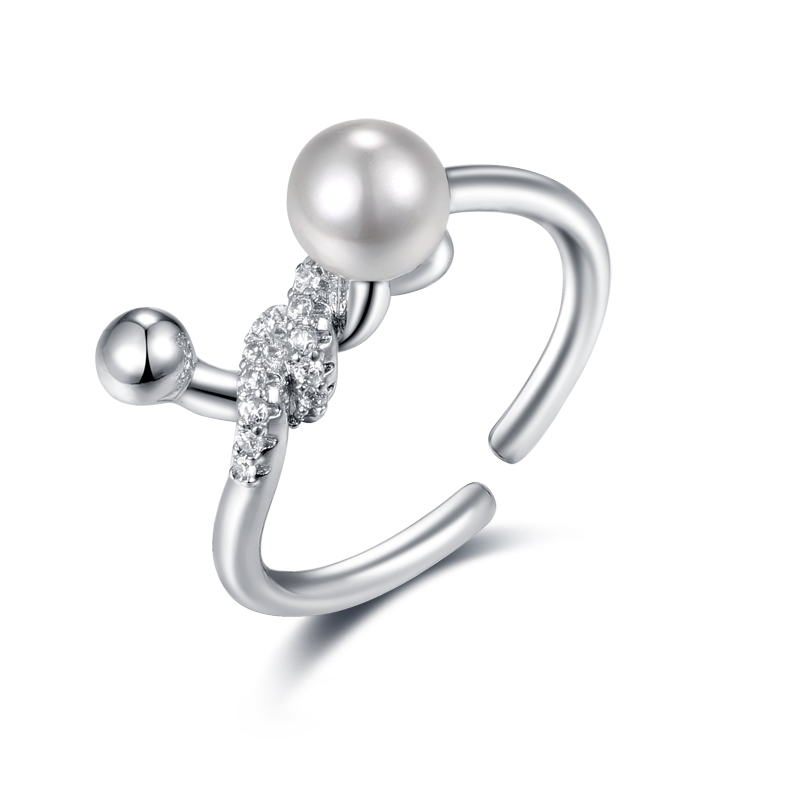
When comparing different ring sizing tools, it's important to consider factors such as accuracy, ease of use, and cost. Each tool has its own strengths and weaknesses, which can influence your decision based on your specific needs.
Accuracy is a critical factor in ring sizing. Mandrels and digital tools generally offer higher accuracy compared to a ring size chart. This is because they provide a physical or digital representation of the ring size, reducing the margin for error.
Ease of use is another important consideration. A ring size chart is the simplest tool to use, requiring minimal effort. Mandrels require some level of expertise, while digital tools may require technical knowledge to operate effectively.
Cost is often a deciding factor for many consumers. Ring size charts are generally free or inexpensive, while mandrels and digital tools can be more costly. It's important to weigh the cost against the benefits to determine the best option for your needs.
Accurate ring sizing requires attention to detail and consideration of various factors. Here are some practical tips to ensure you get the right size:
Measure your finger at different times of the day, as finger size can fluctuate.
Consider the width of the ring, as wider bands may require a larger size.
Take into account the temperature, as fingers can swell in warm weather.
Use multiple methods to cross-check your measurements for accuracy.
Choosing the right ring sizing method and tool is essential for ensuring a perfect fit. Whether you opt for a Silver Ring or another type of jewelry, understanding the pros and cons of each method will help you make an informed decision. By considering factors such as accuracy, ease of use, and cost, you can select the best approach for your needs.
1. What is the most accurate method for ring sizing?
Mandrels and digital tools are generally considered the most accurate methods for ring sizing due to their precision.
2. Can I use a ring size chart at home?
Yes, a ring size chart is a simple tool that can be used at home to determine your ring size.
3. How does temperature affect ring sizing?
Temperature can cause your fingers to swell or shrink, affecting the accuracy of your ring size measurement.
4. Is it necessary to measure my finger at different times of the day?
Yes, measuring your finger at different times can provide a more accurate representation of your ring size.
5. Are digital tools for ring sizing expensive?
Digital tools can be more costly than traditional methods, but they offer greater accuracy and convenience.
6. Can I use multiple methods to ensure accuracy?
Yes, using multiple methods to cross-check your measurements can help ensure accuracy in ring sizing.
7. What should I consider when choosing a ring sizing tool?
Consider factors such as accuracy, ease of use, and cost when selecting a ring sizing tool to ensure it meets your needs.


