
English ![]()

Tel:
+86-13802806440
E-mail:
+86-13480210489
+86-20-31104009
+86-20-31104009
E-mail:

Views: 0 Author: Site Editor Publish Time: 2026-03-03 Origin: Site
There’s a reason dainty silver necklaces have become the “everyday essential” in so many jewelry collections. They’re light, comfortable, easy to style, and they add polish without feeling overstated. But what we love most—both as makers and as people who wear jewelry daily—is how effortlessly a silver necklace can transform when you start layering. One fine chain can look minimal and clean; two or three can instantly feel intentional, fashionable, and personal. Layering also gives you flexibility: you can dress up a simple tee, soften a structured blazer, or add shine to a knit sweater without changing your whole outfit.
At the same time, layering is where many people get stuck. Chains tangle, lengths look too similar, pendants compete, and the final look feels “busy” instead of balanced. The good news is that layered styling is not complicated once you know a few simple rules—especially when you’re working with silver. In this guide, we’ll share a practical, step-by-step approach to choosing and styling dainty silver necklaces for layering—covering chain types, ideal lengths, pendant pairing, outfit matching, and daily care. We’ll also include easy tables to help you build combinations confidently, whether you’re starting with one necklace or designing a full layered set.
When we design and recommend layering pieces, silver is often the first place we start. Here’s why:
Neutral shine: silver pairs naturally with cool and warm tones, and it doesn’t overpower your outfit.
Lightweight comfort: dainty chains feel easy for all-day wear, even with two or three layers.
Versatility: silver necklace styles range from ultra-minimal to detailed, so you can mix without clashing.
Seasonless styling: layering works year-round—on bare skin in summer and over knits in winter.
Layering is also a great way to make jewelry feel personal. You can mix a simple chain with a small charm, add a meaningful pendant, or include a subtle texture chain for dimension—without needing large statement pieces.
If two necklaces sit at almost the same point, they’ll fight for space and tangle more easily. A good layering set creates a clear “step-down” effect.
Layering looks best when at least one chain adds texture—like a twist, bead, or flat reflective surface—while the others stay simple.
If every necklace has a pendant, the look can get crowded. Usually, one pendant is the hero, and the rest support it.
For most people, layering becomes easier when you work with three “zones”: short, mid, and long. Here’s a helpful guide:
Layer Position | Typical Length | Where it Sits | Best For |
Short | 14–16 in | Collarbone / high neck area | Minimal shine, neck framing |
Mid | 17–19 in | Just below collarbone | Small pendant or texture chain |
Long | 20–24 in | Upper chest | Statement pendant or lariat effect |
Practical tip: If you’re wearing a high neckline (crew neck, turtleneck), slightly longer lengths often look cleaner than very short layers.
Not every chain stacks well. Dainty silver necklaces typically layer best when you combine at least two different chain profiles.
Chain Style | Look & Feel | Why It Works for Layering |
Cable chain | Clean, classic, minimal | Great base layer, low tangling |
Figaro chain | Patterned links, subtle texture | Adds dimension without bulk |
Box chain | Crisp, structured shine | Layers neatly, holds shape well |
Snake chain (fine) | Smooth, fluid, reflective | Adds a sleek “line” in a set |
Paperclip (mini) | Modern, airy | Creates spacing and visual rhythm |
If you’re new to layering, start with one simple cable or box chain plus one textured chain. Then add a pendant layer once you feel comfortable.
Choose a dainty chain you can wear alone. This is your foundation.
The second layer should look different from the first. That contrast prevents the set from looking flat.
For a third layer, add a small pendant or charm—something meaningful or simply elegant.
Layer Formula | What It Looks Like | Best For |
Minimal 2-layer | 16" simple chain + 18" texture chain | Daily wear, office looks |
Pendant focus | 16" simple chain + 20" pendant | Clean, flattering, easy |
Full 3-layer | 16" chain + 18" texture + 22" pendant | Fashion-forward, event-ready |
Winter layering | 18" texture + 20" simple + 24" pendant | Over sweaters, high necklines |
A 2-layer set is often enough: one short chain + one mid chain. Clean and effortless.
Try a structured chain texture (box or mini paperclip) with a small pendant. It looks polished without feeling too trendy.
Add a longer layer (22–24 inches) for elegance. A delicate pendant on the longest chain adds a refined focal point.
Layer over fabric using slightly longer lengths so the necklace sits clearly and doesn’t get “lost” in the knit.
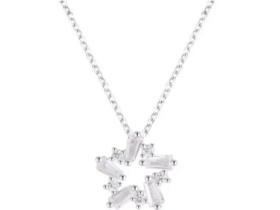
Tangles are usually caused by similar chain lengths, lightweight chains rubbing together, and the natural twisting that happens when you walk, turn your head, or adjust clothing. The easiest fix is to build a layered set with clear “spacing” and different chain behaviors. First, use different lengths—we recommend keeping each layer at least 2 inches apart (for example, 16" + 18" + 22"). This prevents chains from stacking on the same point of your chest. Second, mix chain weights slightly. One chain can be a little sturdier (like a fine box chain) while another stays ultra-delicate (like a cable chain). This creates less friction and helps each layer “hang” independently instead of twisting together. Third, choose smoother chain types for the top layers—a clean cable or box chain sits neatly near the neck, while a textured chain can work well on the middle or longest layer. Fourth, keep pendants centered. A small pendant acts like an anchor, helping the chain stay facing forward rather than rotating around your neck. Finally, store your layered sets thoughtfully: keep necklaces dry and separated, and if you wear the same combination often, store them together in a way that keeps each chain from crossing—this reduces knots and saves time.
A dainty silver necklace looks best when it stays bright and smooth. Silver can naturally tarnish depending on skin chemistry, humidity, and products like perfume.
Care Habit | What to Do | Why It Matters |
Daily routine | Wipe with a soft cloth after wear | Removes oils that speed tarnish |
Storage | Keep dry, sealed, separate | Reduces oxidation and tangles |
Shower/gym | Remove when possible | Sweat and moisture accelerate dullness |
Cleaning | Gentle silver-safe cleaning | Restores shine without damage |
Tip: If you’re layering, clean the set together so the shine level stays consistent across all chains.
Dainty layering pieces are among the most versatile jewelry gifts because:
sizing is flexible compared with rings
the style works across ages
it can be worn alone or layered
it fits casual, office, and occasion looks
Many customers start with one silver necklace, then build a small “capsule set” of 2–4 pieces that can create multiple combinations.
Layering doesn’t need to be complicated. Once you understand length spacing, texture balance, and how to choose one focal point, dainty silver necklaces become the easiest jewelry category to style daily. A well-built silver necklace set can follow you through every season—minimal in summer, layered over knits in winter, and polished enough for work or special moments. From our side, we always encourage customers to build slowly: start with one piece you truly love, then add a second and third that complement it in length and texture. If you’re exploring new dainty silver necklaces for layering—whether for your own collection or as a thoughtful gift—you can learn more about styles, chain options, and everyday-wear designs through Goodliness Jewellery Co., Ltd. We’re always happy to share product guidance and layering suggestions based on your preferred look and wear habits.
Most layered looks work best with lengths spaced 2–4 inches apart, such as 16", 18", and 22". This prevents visual crowding and reduces tangling.
For daily wear, 2 layers usually look clean and comfortable. If you want a more styled look, 3 layers can work well when lengths and textures are varied.
Use different lengths, mix chain textures, and consider adding a small pendant as an anchor. Proper storage and keeping chains dry also helps.
It’s better to remove it. Water, soap, and humidity can speed tarnish and reduce shine over time—especially for delicate chains.


